Blog

A healthy recipe makeover

Cooking good food is not easy and cooking healthy food is even more difficult. That’s what I’ve heard a lot of people say. The solution? Use more natural ingredients and fresh produce to make your dishes both flavorful and healthy. Substituting some ingredients in traditional dishes can make a lot of difference.

 

Genevieve Dayrit, RND of A-List Professional Health Consulting Co.

Genevieve Dayrit, RND of A-List Professional Health Consulting Co.


Today, I will share two recipes developed by registered nutritionist dietitian, Genevieve Dayrit of A-List Professional Health Consulting Co., a company accredited by the Professional Regulation Commission to conduct seminar workshops among health professionals specializing in corporate wellness programs and recreational culinary classes conducted in a world-class setting like The Marriott Manila.

Our staple food is plain rice, but it can sometimes get boring. Our alternative is to make fried rice—but it is high in fat and calories. Genevieve gave the plain old fried rice a makeover and turned it into a melange of appetizing flavors. “The Tropical Rice Pilaf is very refreshing because I’ve added pineapple, broccoli, and bell peppers, which all have high water content. This dish has a subtle sweetness that complements the natural flavors and crispness of fresh vegetables and the nutty taste and chewy texture of brown rice,” says Genevieve.
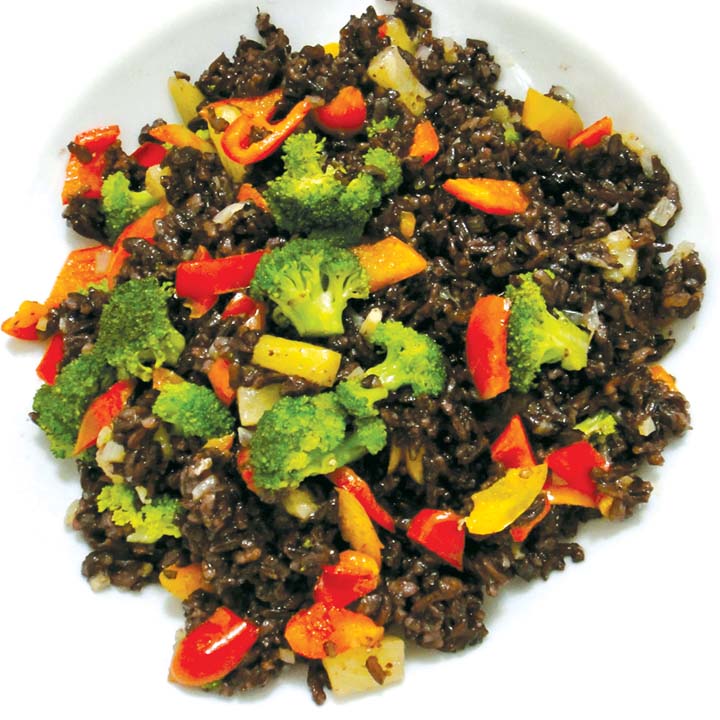


riceTropical Rice Pilaf

Makes 4 servings
181 kcal per serving
39 kcal from fat per serving

Ingredients:
2 cups cooked brown rice 2 tsp extra virgin olive oil
1 tsp margarine 1 tsp garlic
2 tsps onion 1/3 cup red bell pepper, diced
1/3 cup yellow bell pepper, diced 1/2 cup broccoli florets
1/3 cup pineapple chunks 1/8 cup pineapple juice
1/4 tsp salt 1/8 tsp pepper


Procedure:
1. Using a skillet, sauté onion and garlic in margarine and olive oil
over medium heat.
2. Add red, yellow bell pepper, broccoli florets, pineapple chunks,
and pineapple juice. Stir and cook for three minutes.
3. Add rice, salt, and pepper. Mix well and cook for three minutes.

The Tropical Rice Pilaf is a complete meal on it’s own. It has complex carbohydrates, protein and fiber from the rice and vegetables. It also has good fats from the small amount of olive oil and margarine used which will help in the absorption of fat-soluble Vitamin A found in the vegetables. Yes, a little fat is beneficial.

 

chickenChicken Roll Up

1 serving = 3 pcs.

Makes 5 servings

320 kcal per serving

176 kcal from fat per serving

Chicken Roll Up

Ingredients:
3 skinless, boneless chicken breast halves
1/4 cup pineapple juice in can (unsweetened)
2 tbsps soy sauce
1/4 cup carrot slices (2 cm thick)
1/4 cup chayote slices
1/8 cup red bell pepper slices
1/8 cup cheese slices
1/4 cup pechay leaves
1 tsp pickle relish
1 tbsp olive oil
1 tbsp margarine
1 big clove of garlic minced
1/3 cup tomato sauce
1 1/2 cups water
1/4 tsp salt
1 tbsp sweet chili sauce

Procedure:
1. Pound chicken breasts lightly to 1/4 inch thickness.
2. Marinate in pineapple juice and soy sauce for 15 minutes.
3. Place pechay leaves, cheese, green bell pepper, chayote,
and carrot slices on top of each chicken breast.
4. Roll up each breast and secure with a string or toothpick.
5. In a saucepan, sauté garlic and onion in olive oil and margarine.
6. Add chicken roll up. Cook for 5 minutes then pour the marinade,
tomato sauce, water, salt, sweet chili sauce, and pickle relish.
7. Cook for 25-30 minutes over medium heat or until the sauce thickens.
8. Remove string or toothpicks and slice the chicken roll up (1/2 inch thick).
Serve with sauce.

The Chicken Roll Up is a very good source of lean protein with less calories compared to fried chicken. When preparing meat dishes, it is best to prepare them with less fat through boiling, steaming, simmering, baking, roasting, broiling, and slow cooking. I suggest reducing the portion serving to two pieces of Chicken Roll Up and add ½ cup of black or red rice with one cup salad on the side to make a delicious well balanced meal.


Muscle myths

How whey protein powder may not be as beneficial as you think

‘Protein is the building block of muscles and it plays a vital role in repairing and strengthening them but large amounts of protein is not needed to build muscle strength and size.’

‘Protein is the building block of muscles and it plays a vital role in repairing and strengthening them
but large amounts of protein is not needed to build muscle strength and size.’

Many Filipinos love to try whatever is the popular sport or fitness activity for the year. Remember when Taebo was so popular in the late ‘90s? And then there was badminton followed by belly dancing, Bikram yoga, cycling, and now the latest trend—running and circuit training. The only thing that is constant is our countrymen’s love for basketball. After all, we are a basketball-crazed country.

Engaging in any type of sport, exercise or physical activity, is a good way to keep healthy. Having varied types of physical activity or workout will help develop a healthy heart, strength, and flexibility thus decreasing health risks.

Some people, however, want to take their workout to the next level by changing the way they eat and taking in supplements in the hopes of improving their performance, strength, and endurance.

Working with both elite and recreational athletes on sports nutrition as well as creating diets that complement workouts for the past 12 years of being a dietitian consultant, I have come across so many questions about the efficacy and safety of some dietary practices and supplements. Unfortunately, many have been deceived by claims and myths.

During my group consultation with the PBA team San Miguel Beermen, one of the players asked me: “What can you say about whey protein powder? Does it help build muscles?”

Protein is the building block of muscles and it plays a vital role in repairing and strengthening muscles. But contrary to what some body builders and athletes perceive, large amounts or extra protein is not needed to build muscle strength and size. Consuming more than what is required by the body have no added benefits. It could in fact wreak havoc in the body and cause a decline in performance. Protein breakdown produces a waste called urea. Water is needed to excrete this therefore too much protein can have a dehydrating effect on the body. High protein intake can also damage the kidneys and liver. Most protein sources contain saturated fats which could increase cholesterol levels and increase the risk of developing heart diseases.

Athletes may have higher protein requirements than non-athletes but the amount of protein needed by the body can be easily met through the daily consumption of food like lean meat, fish, poultry, dairy products, beans, nuts, vegetables, bread, and grains. High quality or high biologic value protein comes from egg, soy, milk, and dairy products. It is best to consume an adequate amount of protein immediately after working out to enhance muscle building.

THE ONLY ROSE AMONG THE THORNS The author with the San Miguel Beermen in one of their consultations

THE ONLY ROSE AMONG THE THORNS The author with the San Miguel Beermen in one of their consultations

Whey protein powders and supplements will only be beneficial for people having difficulty meeting their daily protein requirements due to decreased consumption of protein sources, food unavailability, inability to prepare whole foods and busy lifestyle. It could be consumed for convenience and as a substitute for whole food. Whey protein comes from milk and is easily digestible. It has many health benefits for the heart, blood sugar level, and bones, it also has, however, a list of side effects like allergy, changes in cholesterol levels, and more. It is important to seek the advice of a registered nutritionist-dietitian before using a whey protein supplement.

The only way to build muscle strength and increase its size is to workout and have a well- balanced diet composed mostly of complex carbohydrates and about 10 to 15 percent protein. Eat more complex carbohydrates like whole grains, bread, starchy vegetables, and pasta to be utilized as the body’s primary source of energy otherwise protein will be used for energy production thus decreasing the supply needed to build muscles. When carbohydrates are burned as energy, protein is spared and can be used for specific purposes such as building and repairing tissues; creating hormones and enzymes; transporting nutrients; regulating water balance and muscle contraction.

Finally, there are three things to remember when building muscle strength and size: Consume more complex carbs, have adequate protein intake, and train your muscles!

For comments email [email protected] or visit www.cheshireque.com. Twitter: CheshireQue

Kitchen wonders

8VEGETABLE

Since ancient times, man’s pursuit of longevity (and even immortality) has led to the endless search for foods, plants, elixirs, and potions that will defeat death or prolong life.

The first emperor of China, Qin Shih Huang also known as King Zheng of Qin (260-210 BC) feared death and was obsessed with finding the “elixir of life” that will make him live forever. This obsession ended his life at the age of 50 after he was slowly poisoned by mercury pills, which his alchemists claimed will make him immortal.

In this modern day and age, the world is still obsessed with pursuing wellness and longevity thus leading to countless claims about “superfoods” and “food cures” that promise to treat, prevent, and manage conditions from simple ailments to chronic diseases.

During my consultations, some clients confessed that a “doctor” once made them eat six raw eggs every day and tablespoonfuls of salt several times a day to make them healthy. I was dumbfounded knowing that eating six raw eggs will not only increase caloric, protein, fat, and cholesterol intake but also increase the risk of Salmonella infection. And excessive salt consumption will increase blood pressure and damage the kidneys. Still, many advocates of “quackademics,” a pejorative term for alternattive medicine, take advantage of the people’s lack of knowledge and obsession with defying age, being healthy, and disease-free.

Achieving a healthy, long, and quality life is what every human being should aim for. A healthy lifestyle composed of proper and well-balanced food intake, active lifestyle, quality and adequate sleep, effective stress management, and modified behavior promotes good health.

Dietary supplements may sometimes be needed but these should always be taken with the guidance of a Registered Nutritionist-Dietitian or physician. The good news is that there are actually foods that can be found in your kitchen ,which have so many health benefits. Studies have been conducted to support the efficacy of these foods.

Whole wheat bread contains non-digestible ingredients that act as prebiotics, which promote the growth of good bacteria in the digestive system. It also increases calcium absorption. Whole wheat bread is best paired with a cup of nonfat milk or a slice of cheese.

Milk is not just for the bones. It can help with sleep problems, too! It contains tryptophan which gets converted into the hormones serotonin that promotes relaxation and melatonin, which induces sleepiness. It is best to drink warm nonfat or low-fat milk at least an hour before sleeping.

Yogurt and fermented dairy drinks contain probiotics or live bacteria that keep the digestive system healthy. This can also prevent diarrhea and decrease in good bacteria when taking antibiotics.

Sweet potato or camote contains beta carotene which gets converted to Vitamin A to prevent dryness of eyes, night blindness, and eye infections. Boiled or baked sweet potato can be a healthy substitute for rice or bread.

Fortified margarine is made of plant fats that reduce bad cholesterol level, which decreases the risk of developing heart diseases. This can be a healthy substitute for butter but should also be consumed in moderation because fat is a concentrated source of energy or calories. Too much intake could lead to unwanted weight gain.

Banana is high in potassium, which helps control blood pressure. Add banana slices to your cereal, pancakes, or smoothie for breakfast.

Tomato has lycopene, which reduces the risk of developing prostate cancer. It is best to cook tomato or consume processed tomato products because the heat makes lycopene readily absorbable.

Grape juice and red wine has been proven to reduce the risk of heart diseases. They contain resveratrol, which prevents the clumping of platelets in the blood that causes clot formation leading to serious heart diseases. Women should not exceed eight ounces and men should not consume more than 16 ounces per day.

Honey is a natural cough suppressant. Add two teaspoons to a cup of tea or lemon water. Best taken before bedtime to reduce coughing and get quality sleep.

Cruciferous vegetables like broccoli and cauliflower have glucosinolates and indoles, which are bioactive compounds that help reduce the risk of certain types of cancers. These can be eaten steamed or mixed in cooked dishes.

Take a look around your kitchen. You might just find several wonder foods that could help improve your life.

For comment email [email protected] or visit www.cheshireque.com. Twitter: CheshireQue

Calorie counting: Is there safety in numbers?

1Calorie-Counting

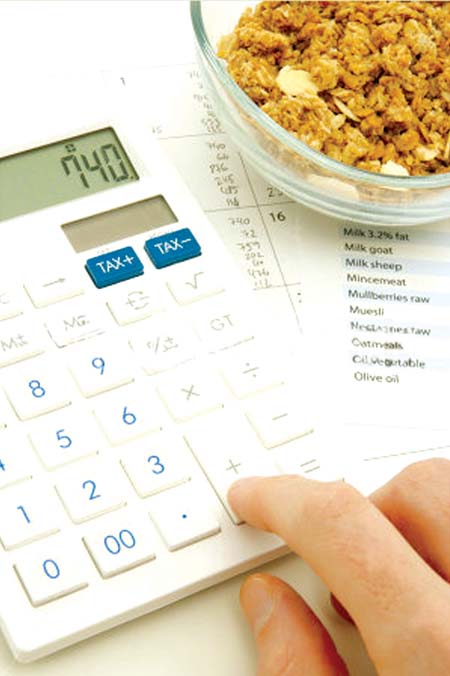
Is calorie counting effective for weight management? Yes it is. But is it healthy to count calories when trying to lose or gain weight? Not necessarily. I will help you understand what is calorie counting, it’s health benefits as well as health risks. It’s not as complicated as it seems.

Calories (kcal) are the energy we derive from the food that we eat. Carbohydrates, protein, and fat all contain calories. They fuel the body to be able to function 24 hours a day. We use less calories when sleeping and resting. We burn more calories when we are physically active.

Caloric Balance

Caloric balance means that the amount of energy intake from food is equal to the amount burned during physical activities and used for physiologic processes like digestion and respiration.

For weight loss, the amount of energy intake should be less than the energy expenditure or the amount of energy burned should be more than the amount consumed. Simply put, eat less, exercise more.

For weight gain, add more calories through healthy food choices and have a regular physical activity.

Caloric Needs

The daily amount of calories needed varies according to weight, height, physical activity, health condition, age and gender. Only Registered Nutritionist-Dietitians are legally qualified to calculate and prescribe a person’s Total Caloric Allowance or the amount of calories needed by a person in a day.

Decreasing the amount of calories you take in and increasing the amount of calories you burn will definitely make you lose weight. Therefore calorie counting is an effective tool to help you manage your weight. However, calorie counting alone does not ensure optimum nutrition. You may attain a normal weight range but may not be healthy due to nutrient deficiencies. Eating 2000 calories worth of junk food versus 2000 calories of well balanced meals will have different effects on your body. The former will increase your sodium, sugar, and fat intake causing health problems while the latter will decrease your health risks. Thus many people lose weight by cutting down on calories but tend to be sickly or may not look healthy at all.

The total amount of calories should come from complex carbohydrates like whole grains, starchy vegetables, dark leafy vegetables, fruits and non fat milk; protein from lean meat, fish, chicken, egg, low fat or non fat dairy products and beans; and fat mostly from nuts, seeds, plant oils, and fatty fish.

Calorie Counter

1/2 cup rice/plain noodles or pasta

= 80 to 100 kcal

1 slice of bread = 80-120 kcal

1 medium fruit (1 banana) = 60 kcal

1 cup of whole or cooked vegetables (without oil) = 25 kcal

2 cups raw leafy vegetables = 25 kcal

1 cup milk or yogurt = 80 to 150 kcal

1 medium egg = 63 kcal

3 ounces (deck of cards size) meat or chicken = 165 to 300 kcal (varies with fat content)

3 ounces (checkbook size) fish = 165 to 300 kcal (varies with fat content)

1 tsp. oil = 45 kcal

1 tsp sugar or honey = 20 kcal

Here’s an example of a quick estimate of a typical meal:

1 cup rice = 200kcal

3 ounces of fried chicken = 300 kcal

1 cup steamed vegetables = 25 kcal

1 medium apple = 60 kcal

Total calories = 585 kcal

To reduce caloric intake follow the tips below:

• Choose food prepared with less fat such as boiled, grilled, baked, roasted, stir-fried, sauteed, and steamed.

• Limit or avoid table sugar.

• Limit or avoid high caloric beverages. Water, brewed tea, and coffee have no calories.

• Eat fiber rich vegetables, fruits and whole grains to feel fuller.

For comments email [email protected] or visit www.cheshireque.com. Twitter: CheshireQue

A woman’s journey

woman

Becoming a woman is a process. A journey. It begins the moment you experience awkward but inevitable changes in your body that the little girl in you can no longer ignore. Womanhood is not constant. Each stage of womanhood is special and should be given equal attention to ensure quality of life.

Let us go through the different changes and nutritional needs women have to go through in this lifetime.

From the onset of menarche or the first menstrual cycle, nutrition plays a big role in preventing nutritional deficiencies and to promote optimal growth and development. Iron-deficiency anemia is widespread. Iron is lost during the menstrual period and this mineral is vital for red blood cell production and ovulation for reproductive health. Blood carries oxygen and nutrients all over the body. Lean meat, egg yolk, dark green leafy vegetables, raisins, prunes, whole grains, beans, and iron-fortified cereals are good sources of iron.

PMS or pre-menstrual symptoms have been experienced by almost all women. It is a condition that has physical, psychological, and emotional effects. Common symptoms are acne, headache, food cravings, backache, abdominal pain, tender breasts, bloating, weight gain, mood changes, anxiety, irritability, and sleep disturbance.

PMS is most likely caused by fluctuations in hormone levels. This causes fluid retention which disappears after the menstrual period.

Calcium may help reduce fluid retention and may help improve mood by regulating mood-related chemicals found in the brain. Non-fat or low-fat milk, yogurt, cheese, sardines, almonds, and green leafy vegetables are all rich in calcium.

To prevent fluid retention, be mindful of your salt intake seven to 10 days before your period starts. Cut down on high sodium foods like chips, processed and canned food, table salt, and condiments. It is also important to drink at least nine cups of water per day to keep the body well hydrated.

Increasing physical activity will also help alleviate PMS moodiness. Exercise stimulates the release of happy hormones called brain endorphins. Exercise will also prevent weight gain especially when your food cravings are at its peak. Sweating during a physical activity will reduce water retention and bloating.

Between puberty and menopause, it is vital for all women to eat a well balanced diet composed of water, whole grains, fruits, vegetables, low fat dairy products, lean protein sources, and good fats. Regular physical activity as well as stress management together with a healthy diet will prevent nutrient deficiencies and reduce health risks.

Now comes the time when a woman enters the process of aging to perfection—Menopause. Just as was experienced during menarche, drastic changes are also expected during this part of a woman’s journey. Production of the hormones estrogen and progesterone declines accompanied by hot flashes, night sweats, weight gain, increase in abdominal or visceral fat, sleep disturbances, mood swings, and irregular menstrual flow.

Health risks increase as women become less physically active, consume more calories, and undergo the body’s natural metabolic slowdown.

Thirty minutes of daily, moderate physical activity like brisk walking coupled with a well balanced diet will help maintain a healthy weight range and prevent health conditions like insulin resistance, which leads to diabetes, high cholesterol, and hypertension, which leads to heart diseases.

Soy contains phytoestrogens called isoflavones which are weak and naturally occurring plant estrogens that may help reduce or relieve pre-menstrual and menopausal symptoms. The amount needed has not yet been determined by the studies conducted. Eating tofu, tempeh, soy milk, and other soy products can also lower bad cholesterol or LDL level, total cholesterol level, and blood pressure. Thus, decrease the risk of developing heart diseases.

Charm is deceptive, and beauty does not last; but a woman who fears the Lord will be greatly praised. – Proverbs 31:30


For comments email [email protected] or visit www.cheshireque.com. Twitter: CheshireQue

Beyond WATER

When the heat is up, what’s the first thing that comes into your mind? A cool shower or the beach? Ice-cold water? Ice cream and smoothies? It is human nature to seek water in a variety of forms to quench thirst and cool the skin simply because the body is made up of about 45 to 75 percent water?

Water is essential in maintaining the health of every body cell. It keeps the skin well hydrated to promote skin integrity. Water plays an important role in digestion, metabolism, transporting of nutrients and oxygen, and excretion of wastes.

When the body’s temperature rises, sweating occurs as a natural cooling effect. Living in a tropical country like the Philippines, the weather can get very humid which makes it more difficult for perspiration to evaporate thus delaying the cooling process. Aside from water loss, sweating makes us lose electrolytes like potassium and sodium which are very important in keeping the body hydrated and maintains normal heart rate. It is important to replenish water and electrolyte stores to prevent dehydration.

The first sign of dehydration is thirst. Dehydration could lead to heat stroke which is a life threatening condition. Other signs of dehydration are: hot dry skin, flushed skin, dark colored urine, heavy sweating, muscle cramps, fatigue, weakness, dizziness, headache, nausea, vomiting, fever, confusion, and rapid breathing and increased pulse rate.

Men lose more body water than females and that is why the Institute of Medicine determined that an adequate intake of fluids for men is approximately three liters or 13 cups a day and 2.2 liters or about nine cups for women.

Drinking various types of beverages aside from water can easily hydrate our body, however, we should be cautious about drinking liquids that contain caffeine, sugar, fat and alcohol. For example, a huge cup of iced coffee topped with whipped cream can add to your fluid intake but it could also increase your caloric intake. Excess caloric consumption leads to weight gain. Drink occasionally and in moderation. Sports and energy drinks should only be taken when exercising for more than one and a half hours.

Try these beverages and liquid foods to keep yourself hydrated this summer season:

• 100 percent fruit juice

• fruit and vegetable smoothies

• non-fat milk

• soy milk

• almond milk

• lemon water

• soda water

• clear soup

• gelatin/gulaman

• yogurt

• probiotic drink

• sorbet

• iced green tea

Aside from the water content, we can also get other nutrients from these beverages and liquid foods. One hundred percent fruit juices are rich in vitamins and antioxidants that are skin friendly. Milk is a rich source of calcium for bone, muscle, and heart health. Yogurt contains live bacteria that is good for digestion. Green tea has flavonoids that is good for the heart.

Ensuring adequate water intake is not limited to just drinking liquids. You can eat your water too! Most fruits and vegetables have about 80 to 95 percent water and they contain the electrolyte potassium. Eat about three cups of vegetables and two cups or two pieces medium-sized fruits per day.

Here are some fresh produce that you can munch on to keep yourself hydrated.

• watermelon

• grapefruit

• pineapple

• melon

• apple

• orange

• banana

• strawberries

• broccoli

• lettuce

• cucumber

Don’t wait until you’re thirsty. Keep yourself hydrated throughout the day by making a conscious effort to make water, other beverages, liquid foods, fruits, and vegetables available every day.

For comments email [email protected] or visit www.cheshireque.com. Twitter CheshireQue.

Eat well, sleep well

sleep

Having a hard time falling asleep? Tired of tossing and turning the whole night? Or perhaps you do fall asleep but keep waking up in the wee hours of dawn? You just might be suffering from insomnia. This sleep disorder can affect your health as well as your performance at work and the quality of your life in general.

Most people need seven to eight hours of quality sleep to feel refreshed and energized the next morning. However, due to stress, hormonal imbalance, lack of exercise, pain, medications, nutrient deficiencies, distractions, advancement in technology, and unhealthy eating habits, many suffer from lack of sleep.

Sleep deprivation has been strongly linked to weight gain. When we lack sleep, ghrelin, a hunger-stimulating hormone, increases our appetite which leads to overeating and weight gain. When we are sleep deprived, our body gets stressed out and the level of cortisol, a stress hormone, also increases which leads to weight gain.

Stop counting sheep and get some quality zzzs by eating foods that promote sleep and avoiding foods that prevent it.


WHAT TO AVOID

• Caffeine is the number one culprit in insomnia. It is largely found in coffee but may also be found in black tea, chocolates, soda, and energy drinks. Avoid caffeinated beverages and food eight hours before bedtime.

• While alcohol can make you feel drowsy, it can disrupt the deep, late night phase of sleep that is very crucial for one’s wellbeing. Avoid alcoholic beverages two hours before sleeping.

• High fat, high sugar, and heavy meals can cause indigestion, excess energy, heartburn, GERD (gastroesophageal reflux), and can make one feel uncomfortable. A full meal should be eaten not less than three to four hours before going to bed. Give your body enough time to digest food efficiently.

• If you find yourself waking up many times throughout the night to go to the toilet, avoid drinking too much water at night or just right before bedtime. It is important to drink eight to 10 cups of water per day but drink most of it during daytime.

WHAT TO EAT

• Milk contains the amino acid tryptophan which gets converted into the hormones serotonin that promotes relaxation and melatonin which induces sleepiness. It is best to drink warm nonfat or low fat milk at least an hour before sleeping.

• Other tryptophan sources are chicken, tuna, turkey, soy products, yogurt, whole grain crackers, and other protein foods.

• Green tea, fruit tea, and decaffeinated tea all contain theanine which promotes relaxation and sleep. Drink a cup after dinner or before bedtime.

• Eat foods that are rich in minerals like calcium, magnesium, and potassium. These minerals relax the nervous system as well as the muscles. Calcium also regulates melatonin production. Good sources of these minerals are green leafy vegetables, oats, almonds, and walnuts. Milk and sardines are rich sources of calcium.


WHEN TAKING SLEEPING AIDS

Valerian and Melatonin are being sold as supplements to promote sleep and combat insomnia. They should not be taken without a doctor’s advice because they can cause dizziness, headaches, sleepiness during daytime, digestive problems, and can interact with some medications that could lead to serious health conditions.


WHEN TO SEE A DOCTOR

Sometimes it’s inevitable for us to experience lack of sleep but if it becomes a cycle that disrupts quality of life, work performance, and is starting to affect your health, it is time to seek medical advice for proper diagnosis and treatment.

(For comments email [email protected] or visit www.cheshireque.com. Twitter: CheshireQue.)

The chemotherapy diet

Nutrition intervention plays a vital role in preventing, managing, treating and, surviving cancer.

Nutrition intervention plays a vital role in preventing, managing, treating and, surviving cancer.

In one of the episodes of the popular American television sitcom “Sex and the City,” Samantha Jones was diagnosed with breast cancer. Despite her illness, she looked like she was having the time of her life in a fabulous hospital suite surrounded by her best friends all looking impeccably fashionable while eating popsicles to support Samantha during her chemotherapy session.

How I wish it was that easy but that scene albeit a very nice one is far from reality. I have suffered the pain of supporting and losing loved ones over cancer. I watched my grandfather take his last breath in the ICU after undergoing surgery for colorectal cancer. I saw how my favorite grand aunt’s body wasted away while leukemia was eating her alive. I held my dearest aunt’s hand while she was undergoing chemotherapy. I cried with her when her hair started to fall off. I rejoiced with her when she survived breast cancer.

This dreaded disease affects a patient physically, psychologically, emotionally, and even spiritually. It also greatly impacts the lives of the patient’s loved ones.

Chemotherapy and Radiation Therapy are the most common treatment for cancer. Patients mostly experience side effects like nausea, vomiting, constipation, diarrhea, sore/dry mouth and throat, lack of appetite, weight loss or gain. Some medications may be prescribed to lessen the side effects but it is important for a patient to know what to expect and be guided on what to do.

Nutrition intervention plays a vital role in preventing, managing, treating and, surviving cancer. There are two factors needed to be addressed: feelings and food intake.

Feeling depressed and fatigued after chemotherapy cause lack of appetite and lead to inadequate nutrition and eventually weight loss. Other symptoms of side effects also affect food intake. It is important to rest whenever exhausted and eat small frequent meals or snacks when able or hungry. Food preference and favorite foods must always be considered when there is lack of appetite. Drink beverages that contain calories: non-fat or low fat milk, 100 percent fruit juice, and smoothies. Meal replacements can also increase energy and nutrient intake.

Vomiting can be addressed by prescribed anti-emetic drugs. However, nausea can be managed by eating the right foods at the right time. It is best to nibble food more often and avoid an empty stomach. Ginger tea or locally known as salabat has been proven to relieve nausea. Eat bland foods as too much seasoning, spices, and fat can trigger nausea. Salty foods like crackers may also help. Avoid foods with strong aroma by using a straw to drink and staying out of the kitchen when it’s food preparation and cooking time.

Soreness and dryness of the mouth and throat can be lessened by avoiding irritating and acidic foods like citrus, crunchy and dry foods, hot liquids and foods, alcohol and foods with small seeds. Be mindful of the texture, consistency, and temperature. It is best to choose warm or frozen, soft or liquid foods like soup, popsicles, frozen fruits, yogurt, milk, porridge, and hard boiled or poached egg.

To prevent or relieve constipation, consume fiber-rich foods like black, brown or red rice, whole wheat or multigrain breads and crackers, oatmeal, lentils, fruit juice with pulp, fruits, and vegetables. It is important to drink plenty of water to help expand the fiber in the gut.

Medication may be needed to control diarrhea but foods can also help control this problem. Eat soluble fiber sources such as banana, peeled apple and pear, warm tea, white rice, and toasted white bread.

To decrease episodes of nausea, vomiting, and diarrhea, liquids should not be taken during meals. Lying down after meals can also alleviate these conditions.

Emotional eating may lead to weight gain. If you find comfort in food, it is recommended to seek professional help and consider counseling, support groups, alternative treatments like massage, art therapy, music therapy, yoga, breathing techniques, and the like. Manage stress by praying, reflecting, communicating and, staying away from negativity. Walking can also help relieve stress.

Having cancer is not easy but here is always hope for everyone.

“Hope is the thing with feathers that perches in the soul and sings the tune without the words and never stops at all.” – Emily Dickinson

(For comments email [email protected] or visit www.cheshireque.com. Twitter: CheshireQue)

10 simple truths about food and fertility

veg

You fell in love, tied the knot and wished to live happily ever after. And then like a bad dream, you and your spouse find yourselves struggling to produce a little prince or princess. So sad, isn’t it?

A survey conducted by a prestigious pharmaceutical company revealed that one out of 10 Filipino couples have infertility problems.

The Mayo Clinic defined Infertility as not being able to get pregnant despite having frequent, unprotected sex for at least a year for most people and six months in certain circumstances.

While some factors that cause infertility cannot be controlled, diet and lifestyle are controllable factors that can be improved to help a couple conceive.

• Aim for a normal BMI or body mass index of 18.5 to 24. This means you should be within a healthy weight range according to your height. Being overweight and underweight can cause hormonal imbalance that could disrupt a woman’s menstrual cycle and stop ovulation. Underweight men may decrease sperm count and function. Low sperm count and slow motility can also be brought about by being overweight. It is best to consult a registered dietitian for proper weight management.

• Cut down on caffeine intake. Consuming more than two cans of soda or two Grande-sized coffee can delay conception. Other beverages that contain caffeine are tea, chocolate and energy drinks. A serving per day is enough if you need a dose of caffeine to perk up your senses in the morning.

• Zinc is not only a mineral but also acts as an antioxidant that prevents sperm damage. Zinc deficiency causes your sperm count to decrease. Good sources of Zinc are lean meat, beans and dairy products.

• Women should increase iron stores to ensure optimal ovulation. It is important to have sufficient iron stores even before conceiving to ensure a healthy baby in the future. Lean meat, egg yolk, dark green leafy vegetables, raisins, prunes, whole grains, beans and iron-fortified cereals are good sources of iron. If you consume plant sources of iron, it is best to eat foods rich in Vitamin C like citrus fruits and fresh juices, berries and bell peppers to enhance absorption.

• Load up on antioxidants, vitamins and minerals from fruits and vegetables. Eating two servings of fruits and three servings of vegetables everyday will help protect the sperm cells and egg cells from being damaged. Vitamin and mineral deficiencies can cause difficulty in fertilization and implantation of a woman’s egg.

• Vitamin D or what I call the sunshine vitamin is essential for the formation of the egg cell. It also helps in controlling insulin in the body. Insulin resistance and elevated blood sugar level may disrupt the process of releasing egg during ovulation. Ten minutes of daily sun exposure in the morning can increase Vitamin D stores. Dairy products, beef, egg yolk and fatty fishes like salmon, tuna, mackerel and sardines are rich sources.

• Although folic acid cannot make you fertile, it is important to consume dark leafy vegetables and fortified grains as well as take supplements before conception. This will prevent your future baby from having neural tube defects which affects the brain, spine and spinal cord.

• Extreme exercise and sports may cause a woman to become underweight and have hormonal imbalance that will disrupt the ovulation cycle. Extreme physical activity also affects the testosterone level among men. Low levels of the hormone testosterone decreases sperm count. Thirty to 60 minutes of moderate exercise on most days of the week is enough to achieve a healthy weight and decrease health risks.

• Avoid smoking, alcohol and illegal drugs. These substances damages the sperm and causes low sperm count. Consult a medical doctor if you are suffering from addiction to any of these substances.

• Finally, whenever I counsel couples who come to me for fertility diets, I always encourage them to support each other, communicate, de-stress, pray, be partners in pursuing a healthier lifestyle and try to find joy in their season of waiting. Take it one step at a time starting with a healthy diet and lifestyle.

For comments email [email protected] or visit [email protected]. Twitter: CheshireQue

I do

In sweetness and in health

18meter-diabetes-doing-glucose-level-test

No I’m not getting married anytime soon but since it’s the love month, let us talk about how married couples live the sweet life. I have counseled many couples inflicted with Diabetes and it’s a far cry from living a genuine sweet life. They face challenges and major adjustments in dealing with this lifestyle related disease. Whether only one spouse is affected or both, Diabetes is best managed with the help and support of the spouse. Partnership is the key to manage and prevent it.

Kaberi Dasgupta, MD, from McGill University Health Centre (MUHC), Montreal, Quebec, told Medscape Medical News in an interview: “If possible, work with both members of the couple to achieve optimal diabetes management. They may be able to support each other.”

Remember the vow “In sickness and in health?” Well if your spouse has Diabetes, you should also be screened because your lifestyle, eating habits, food preference, physical activities and exercise patterns are likely to be similar if not exactly the same. According to the American Diabetes Association, spouses of patients with type 2 diabetes have a significantly increased risk of glucose intolerance and type 2 diabetes, and they should be classified as high risk for diabetes.

Dr. Dasgupta said: “If you diagnose diabetes in one spouse, consider evaluating the other.” A research done on 75,498 couples showed a 26 percent increase in the risk of diabetes if the partner is diabetic.

Here are some tips on how to deal with the challenges of living the sweet life:

• Avoid nagging. Wives have cried in my clinic saying: “I’m just concerned! I remind him because I want him to eat healthy!” and I’ve heard husbands complain: “She watches everything I eat. I feel deprived!” Nagging is not being supportive. A gentle reminder is helpful but always remember to respect your spouse’s decision and individuality. Do not impose. Instead of nagging, try to set a good example by living a healthier lifestyle. Actions speak louder than words. Now to the spouse with Diabetes, it may come out as nagging but understand the reason behind the irritatingly constant reminding and prodding – love and the genuine desire of your spouse to make you healthier and live longer.

• Avoid tempting your spouse with unhealthy food choices. If you want your spouse to have a controlled blood sugar level, consider the foods made available at home. Be sensitive enough not to eat high caloric and sugary foods in front of your spouse especially if he or she can be easily tempted to give in to food cravings. If you don’t want to deprive yourself of these foods, at least keep it away from your diabetic spouse’s sight. Remember the saying: out of sight, out of mind.

• Avoid reacting negatively to mood swings. Hypoglycemia or low blood sugar level can cause irritability, confusion, weakness and nervousness. Don’t take it personally rather gently ask your spouse to check for blood glucose level. If it is below 70 mg/dl, immediately give 15 grams of carbohydrates which is equivalent to the 1/2 cup of fruit juice, milk or soda; five pieces of hard candy; or three teaspoons of sugar or honey to increase blood sugar to normal level.

• Avoid being silent when sexual problems arise. Erectile dysfunction is common among men with diabetes and vaginal infections are common among women. It is important to communicate with your spouse and seek medical advice to treat these problems. It is also recommended to consult a registered dietitian to help you make healthy food choices which include low-glycemic foods that do not rapidly increase your blood sugar level upon ingestion. A healthy diet, regular physical activity, behavior modification with medication can help control blood sugar levels and prevent complications of diabetes.

(For comments email [email protected] or visit www.cheshireque.com. Twitter: CheshireQue)