Go Green
The Vegetarian Lifestyle
I believe that God has initially intended for men to be vegetarians. As I quote from the book of Genesis 1:29, Then God said, “I give you every seed-bearing plant on the face of the whole earth and every tree that has fruit with seed in it. They will be yours for food.” During those times, men lived up to almost a thousand years old.

Then came the great flood during Noah’s time and after the flood, God had allowed men to eat meat as written in Genesis 9:3, “Everything that lives and moves about will be food for you. Just as I gave you the green plants, I now give you everything.” During that time until today, man’s lifespan has decreased probably and partly due to the excessive consumption of meat.
Being a dietitian consultant for the past 12 years, it’s not uncommon for me to have people asking if they should adapt a vegetarian lifestyle. You might be asking the same question in your minds right now, too! Well, should we all switch to vegetarianism?
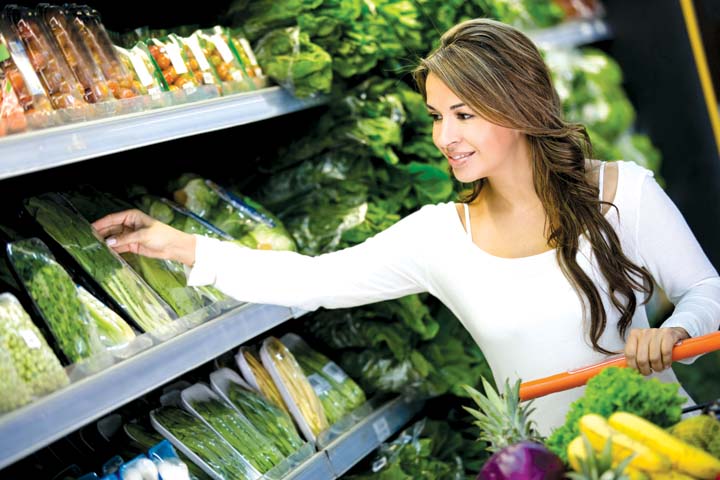
People choose to become vegetarian for religious beliefs, health, philosophical, and ethical reasons. What we need to understand is this: Being a vegetarian is not all about eating vegetables only. It is a complex way of eating that has tremendous health benefits but also poses serious health risks when done the wrong way. The vegetarian way of eating helps in weight management, reduce risk of heart diseases, and lower blood pressure.
There are several types of vegetarian:
Strict vegetarian or vegan excludes all animal products such as meat, poultry, fish, eggs, milk, cheese, and other dairy products from the diet. Honey is also not included.
Lacto-vegetarian excludes meat, poultry, fish, and eggs but includes milk and dairy products in the diet.
Lacto-ovo-vegetarian excludes meat, poultry, and fish but includes eggs, milk, and dairy products.
Flexitarian is a semi-vegetarian diet with occasional consumption of meat, poultry, or fish.
A vegetarian diet is sufficient to meet nutrient requirements however when done incorrectly will lead to nutrient deficiencies of protein, iron, calcium, vitamin B12, and vitamin D.
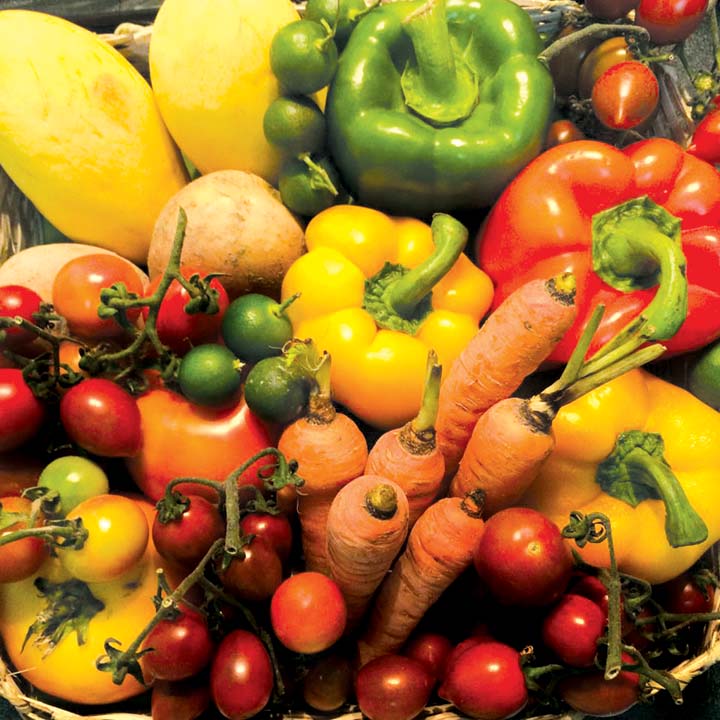
Protein needs can be met by eating whole grains, vegetables, beans, soy products, nuts, and seeds, dairy products, and eggs.
Iron can be obtained by eating green leafy vegetables, fortified cereals, enriched bread, and whole grains, beans, eggs, and peanut butter. It is important to eat vitamin C-rich foods like citrus fruits and tomatoes to enhance the absorption of iron.
Calcium daily requirements can be met by eating broccoli, green leafy vegetables, beans, nuts, seeds, calcium fortified soy milk, rice milk, almond milk, low fat milk, yogurt, and cheese.
Vitamin B12 is abundant in meat, eggs, and dairy products that is why strict vegetarians or vegans need to put more effort in meeting their daily requirement by eating cereals, soy milk, meat analogs, and foods that have been fortified with Vitamin B12 (cobalamin).
Vitamin D deficiency is common among people who do not get sufficient daily exposure to sunlight. Vegetarians can get Vitamin D from eggs and products fortified with Vitamin D such as soy milk, dairy products, orange juice, and breakfast cereals. Exposing your hands to sunlight for 10 to 15 minutes everyday can also help.
Now then, should we all become vegetarian? Eating lean meat in moderation has health benefits as well as making eating pleasurable too. Being a flexitarian myself, I suggest that you carefully think about the reasons why you want to adapt a vegetarian lifestyle and how committed you are. Do not turn yourself into a vegetarian overnight. Gradual transition is important in order to sustain this type of eating lifestyle. Do not do it on your own. Consult a registered nutritionist-dietitian who can guide you and help you ensure that all your nutritional requirements are met.
Lastly, learn how to read nutrition labels. Just a little precaution. Not all products labeled vegan or vegetarian are healthy. Some of them may be high in sugar or fat which we all know increases caloric intake and may wreak havoc with health.
([email protected], www.cheshireque.com, Twitter:CheshireQue)