Sweet Substitute
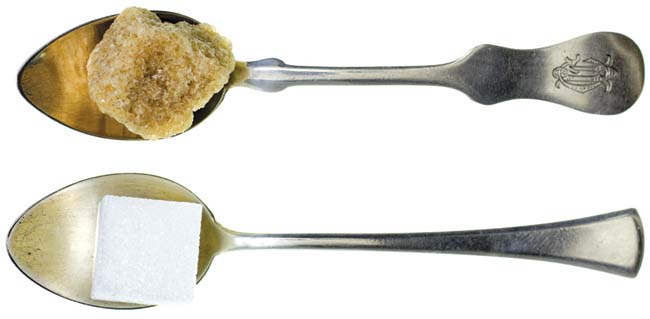
Ninety-nine percent of the people I know are partial to anything sweet. However, most of us are concerned about the consequences of having a sweet tooth. Dental caries, weight gain and Diabetes are associated with excessive intake of sugar coupled with a sedentary lifestyle. Thus, the emergence of sugar substitutes that allows us to indulge our sweet cravings sans the guilt.
It is important for us to be aware of the health benefits and the adverse effects of artificial sweeteners based on scientific evidence. Does artificial sweetener cause cancer? Is it safe?
Sugar substitutes are substances that have no calories or nutritive value. Amidst the controversies and debates over the safety of these substances, the US Food and Drug Administration, an agency that regulates food safety has approved the use of the following sugar substitute ingredients:
Saccharin – After it’s discovery in the 1800’s, the FDA proposed a ban in 1997 because this was found to cause cancer in rats. However, in 2000, saccharin was officially DECLARED SAFE FOR HUMAN CONSUMPTION because the study on rats was inappropriate for human studies and cancer was caused by the high dosage given to rats. This is NOT RECOMMENDED FOR PREGNANT WOMEN.
Aspartame – In my opinion, this is the most controversial one since aspartame is made from two types of amino acids phenylalanine and aspartic acid. Upon absorption, aspartame is broken down into methanol, an alcohol used in industry products like paint thinner. Methanol is further broken down into formaldehyde and formic acid. That’s right formaldehyde is the substance used for embalming. Scary right? However, our body naturally produces formaldehyde in greater amounts compared to aspartame. Formaldehyde is used to make important substances in the body and the excess is eliminated through the urine or broken down into carbon dioxide and water. Strong evidence from scientific studies have proven that aspartame is NOT ASSOCIATED with hypersensitivity reactions, brain cancer, headache, seizures, memory, mood, learning and thought disorders. However, people with PKU or Phenylketonuria a rare genetic disorder should avoid aspartame since they cannot break down phenylalanine, aspartame’s main ingredient. FDA approved in 1981.
Acesulfame-K – FDA approved this in 1998. This is stable in heat so it can be used for cooking and baking unlike other sugar substitutes which break down in high temperatures leaving a bitter taste. K stands for potassium which is an electrolyte found in our body.
Sucralose – FDA approved in 1999. This sweetener is heat stable and is ideal for cooking and baking. It is not absorbed in the body and is flushed out through the urine and feces.
Stevia – I came across this sweetener only in the recent years. Stevia came from a plant called Rebaudiana Bertoni which is native to Central and South America. There have been no documented adverse effects from the consumption of this sweetener.
Artificial sweeteners can be a part of a healthy diet plan to control blood sugar levels, prevent dental caries and to reduce caloric intake for weight management. However, one should be careful in eating large amounts of sugar-free foods. Sugar-free does not mean calorie-free or carbohydrate-free. Foods that use sugar substitutes as an ingredient still contain calories and carbohydrates that will cause blood sugar levels to rise as well as weight gain when consumed in excessive amounts.
For comments email [email protected] or visit www.cheshireque.com. Twitter: CheshireQue
Leave a Reply